Car Park Tarmac: How to Create a Safe and Durable Parking Area
A well-constructed car park provides a safe, practical and reliable space for vehicles while helping a property look organised and well maintained. Whether serving customers, staff or visitors, the surface must withstand regular traffic, changing weather conditions and repeated vehicle movements. For property owners in Faversham, Kent, tarmac is a practical surfacing option for creating a durable car park that is straightforward to maintain.
However, a successful tarmac car park involves more than laying a smooth surface. Proper ground preparation, effective drainage, suitable materials and a layout designed around vehicle movements all contribute to long-term performance. Understanding these factors can help you plan a parking area that meets the needs of your property.
Why Choose Tarmac for a Car Park?
Tarmac is widely used for car parks because it creates a continuous, hard-wearing surface suitable for regular vehicle use. Its smooth finish makes it practical for driving, turning and parking, while its consistent appearance can help create a tidy and professional environment.
A properly installed tarmac surface can accommodate everyday traffic and is suitable for a variety of parking layouts. It can also be used for access routes, turning areas and connecting sections of a site, helping create a consistent surface throughout the parking area.
Routine maintenance is relatively straightforward. Sweeping away loose debris and monitoring the surface for early signs of damage can help keep the car park in good condition. As with any surfacing material, however, its durability depends on the quality of the construction beneath it and how well the area is maintained.
Preparing the Ground for a Durable Surface
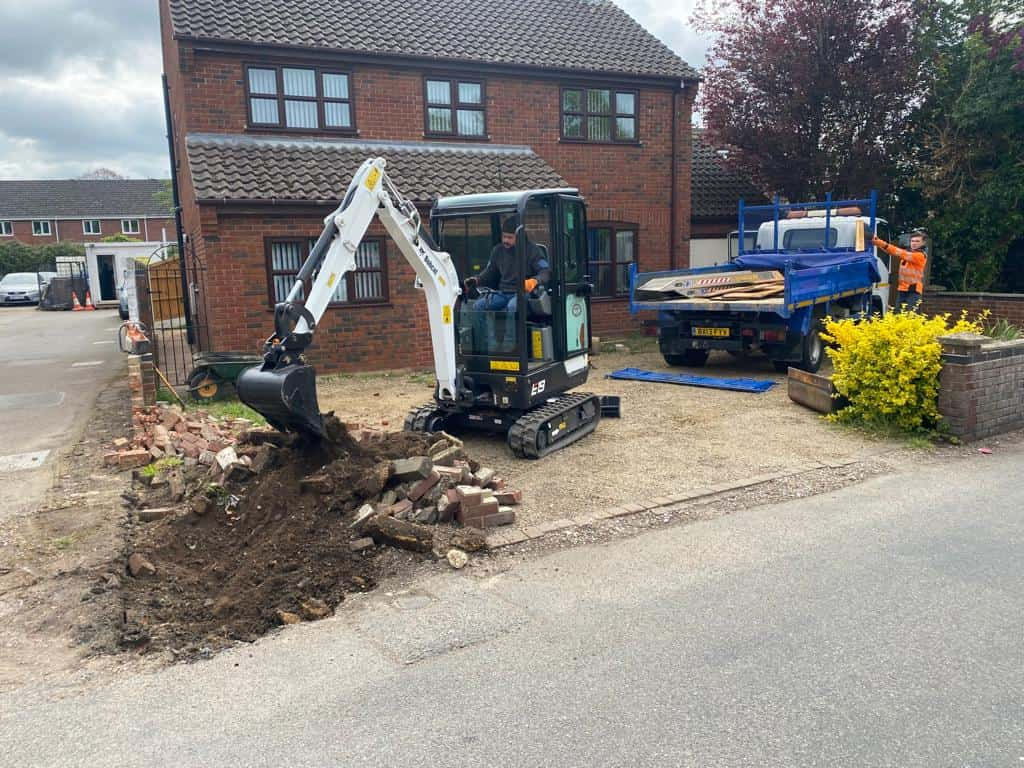
Ground preparation is one of the most important stages of car park tarmac installation. If the underlying ground is unstable or the supporting layers are poorly constructed, the finished surface may develop cracks, depressions or areas of movement.
Before installation, the existing ground should be assessed to determine the preparation required. This may involve removing unsuitable material, establishing the correct levels and installing a suitable sub-base.
The sub-base provides support and helps distribute vehicle loads across the ground. Its depth and construction should reflect the condition of the site and the type and frequency of traffic expected. Areas used by heavier vehicles may require a different construction approach from spaces intended solely for cars.
Careful compaction is also essential. A stable, well-prepared foundation helps reduce the risk of premature deterioration and supports the long-term performance of the tarmac.
Designing Effective Drainage
Water management is a key consideration when creating a safe and durable parking area. Rainwater that collects on the surface can inconvenience drivers and pedestrians, while persistent standing water may contribute to surface deterioration.
The car park should be designed with appropriate gradients so that water drains towards suitable collection or drainage points. The layout must take account of existing ground levels, nearby buildings and the direction in which water naturally flows.
In Faversham, Kent, planning for wet weather is an important part of creating a practical outdoor parking area. A professional assessment can help identify low spots and drainage concerns before the tarmac is laid.
Good drainage begins during the design and groundwork stages. Attempting to correct poor falls after installation can be more disruptive than incorporating suitable levels from the outset.
Creating a Safe and Practical Parking Layout
A durable surface is only one part of a functional car park. The layout should allow vehicles to enter, manoeuvre and leave without unnecessary difficulty, while providing convenient access to parking spaces.
When planning the area, consider the number of vehicles it needs to accommodate, the position of entrances and exits, and the space required for turning. Clear circulation routes can help reduce awkward manoeuvres and make the parking area easier to use.
Once the surface has been completed, suitable markings can help define individual bays, driving routes and pedestrian areas where required. These should be planned in line with the intended use of the site.
The surface should also provide a reasonably even finish without unexpected depressions or loose edges that could create difficulties for users. Good planning helps combine practical access with a neat, organised appearance.
Selecting Suitable Materials and Construction Methods
The materials used for a tarmac car park should be appropriate for the expected traffic and site conditions. The construction must provide sufficient strength to support regular use without allowing the surface to deform or deteriorate prematurely.
The correct approach depends on factors such as the condition of the existing ground, the intended vehicle types and the demands placed on different sections of the car park. Access routes and turning areas, for example, may experience different stresses from spaces where vehicles remain stationary.
Professional advice can help establish a suitable construction specification for the site. Using appropriate materials and installing them correctly helps create a more consistent finish and reduces the likelihood of avoidable surface problems.
Maintaining Your Tarmac Car Park
Regular inspections can help identify minor defects before they develop into more extensive problems. Look for cracks, potholes, loose edges, surface depressions and areas where water repeatedly collects.
Remove accumulated leaves, mud and litter to keep the area tidy and help drainage points remain clear. Any emerging damage should be assessed so that suitable repairs can be arranged where necessary.
The timing and type of maintenance will depend on the car park’s condition and level of use. Prompt attention to localised deterioration can help preserve the surrounding surface and maintain a safer, more presentable parking area.
Professional Car Park Tarmac in Faversham, Kent
Creating a reliable car park requires careful planning, suitable materials and attention to the details that affect everyday use. Faversham Driveways can help property owners in Faversham, Kent, explore tarmac surfacing options for parking areas, access routes and other practical outdoor spaces.
By assessing the site, considering drainage and preparing the ground correctly, a suitable installation can provide a smooth, durable surface designed around the property’s requirements.
If you are planning a new car park or considering improvements to an existing parking area, contact Faversham Driveways to discuss your project and arrange a consultation.
Conclusion
A safe and durable tarmac car park depends on more than the finished surface. Stable groundwork, effective drainage, suitable construction methods and a practical layout all contribute to reliable performance.
For property owners in Faversham, Kent, careful planning and professional installation can help create a parking area that remains functional, tidy and easier to maintain. Faversham Driveways can help you assess your requirements and plan a tarmac surface suited to the intended use of your site.
Call us on: 01795 718 992
Click here to find out more about Faversham Driveways
Click here to complete our contact form and see how we can help with your driveways.