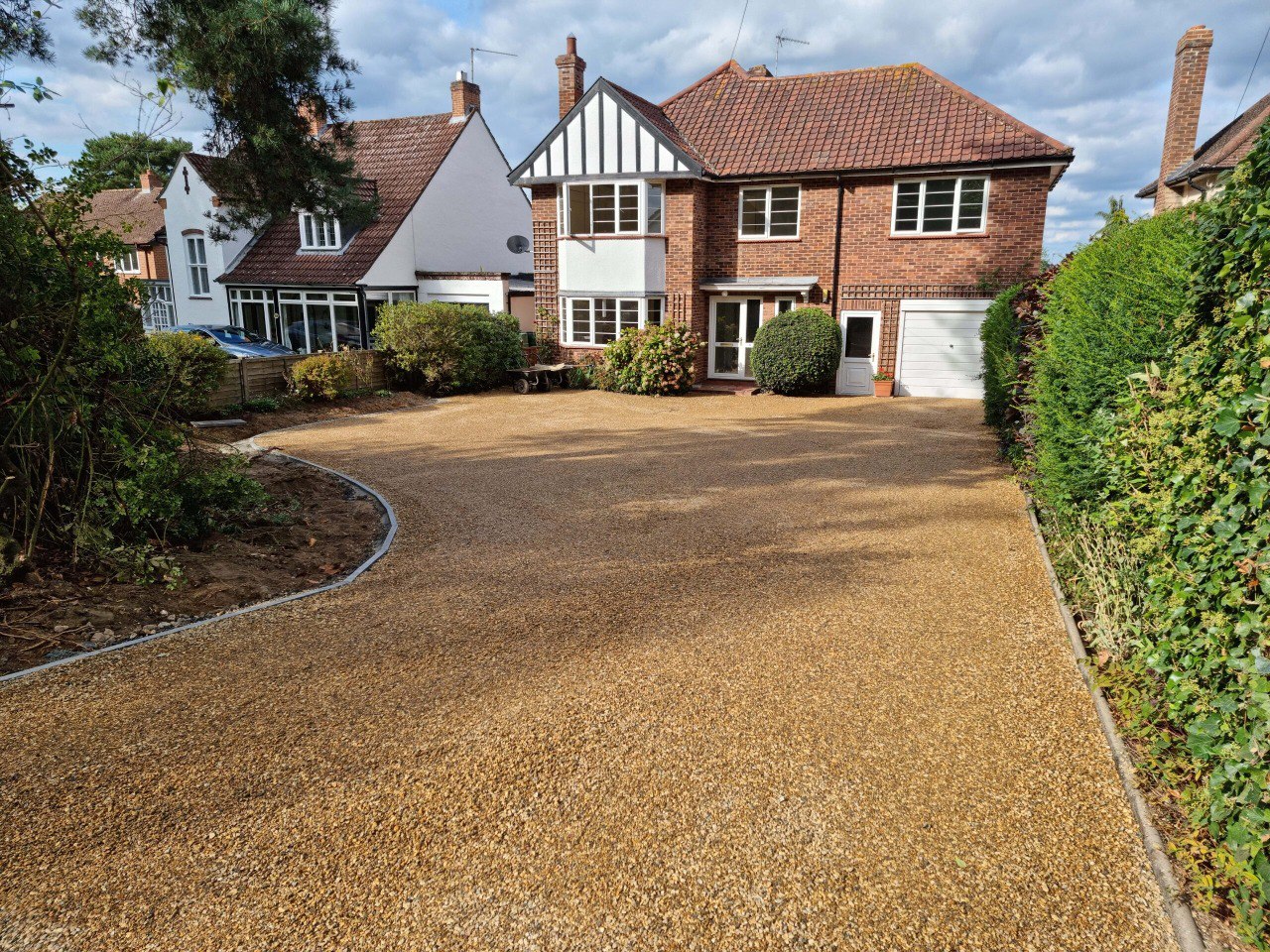
Why Sub-Base Strength Is Important for Roadway Surfacing
A well-surfaced roadway depends on much more than the quality of the visible asphalt or tarmac. Beneath the finished surface, the sub-base plays an essential role in supporting vehicle movements, distributing loads and helping prevent premature deterioration. If this foundation is poorly prepared or insufficiently strong, problems can develop even when the surface materials have been installed correctly.
For property owners and businesses planning roadway improvements in Faversham, Kent, understanding the importance of sub-base strength can help ensure the finished surface is suitable for its intended use. Proper ground preparation is a key part of achieving a stable, reliable result.
What Is a Roadway Sub-Base?
The sub-base is a layer of compacted aggregate installed beneath the main surfacing materials. It sits above the prepared ground, known as the subgrade, and provides a stable platform for the layers above it.
Its main purpose is to distribute the weight of vehicles across a wider area, reducing the pressure placed on the underlying soil. Without adequate support, repeated traffic can cause the ground to move or compress, eventually affecting the finished surface.
The thickness and material specification of the sub-base will depend on several factors, including ground conditions, drainage and the type of traffic expected to use the roadway.
How Sub-Base Strength Helps Prevent Surface Damage
Roadways experience repeated loading as cars, vans and heavier vehicles travel across them. Every movement places pressure on the surface and the supporting layers beneath it.
A properly constructed sub-base helps spread these loads and limits excessive movement. When the foundation is too weak, the surfacing may begin to show signs of distress, including:
- Depressions and uneven sections caused by settlement.
- Cracking resulting from movement beneath the surface.
- Rutting in areas regularly used by heavier vehicles.
- Potholes developing where water enters damaged sections.
- Loose or deteriorating surface material.
These problems can affect vehicle access and make the roadway more difficult to maintain. Building a suitable foundation from the outset helps reduce the likelihood of these issues.
Choosing Suitable Sub-Base Materials
The materials used for a sub-base need to provide reliable support once compacted. Well-graded crushed aggregate is commonly used because its mixture of particle sizes allows the material to interlock and form a stable layer.
However, the correct specification depends on the site. Soil conditions, expected traffic loads and the type of finished surfacing all influence the materials required.
Using unsuitable aggregate or material that contains excessive fine particles can affect stability and drainage. A professional assessment helps establish which materials are appropriate for the particular roadway rather than relying on a standard approach for every installation.
Why Compaction Is Essential
Even suitable sub-base material will not provide reliable support if it is not compacted properly. Compaction reduces air gaps between aggregate particles, helping them lock together and form a firmer foundation.
Insufficient compaction can leave weak areas beneath the roadway. These sections may gradually compress under traffic, causing the surface above to sink or become uneven.
The material should be placed and compacted in appropriate layers, using suitable equipment for the site conditions. Consistent compaction across the full area is important because isolated weak spots can lead to localised surface failures.
The Role of Drainage in Sub-Base Performance
Water management is another important part of roadway construction. If water collects within or beneath the sub-base, it can weaken the supporting ground and affect the stability of the aggregate.
Poor drainage may also contribute to movement during periods of wet weather. This can be particularly problematic where the underlying soil is already vulnerable to becoming saturated.
Before surfacing begins, the ground should be assessed for existing drainage problems. Suitable levels, falls and drainage arrangements help direct water away from the roadway and reduce the risk of prolonged moisture exposure.
Matching Sub-Base Design to Traffic Requirements
Not all roadways experience the same demands. A private access road used mainly by cars will have different requirements from a commercial route regularly used by delivery vehicles or heavier transport.
The expected traffic should therefore influence the design of the foundation. Vehicle weight, frequency of use, turning movements and braking areas all affect the stresses placed on the roadway.
If the sub-base is designed without considering these factors, the finished surface may struggle to cope with everyday use. A properly assessed construction specification helps ensure that the foundation is suitable for the demands placed upon it.
Why Professional Ground Preparation Matters
Preparing a roadway involves more than spreading aggregate and compacting it. The existing ground must be assessed, unsuitable material identified and any underlying problems addressed before construction progresses.
Ground levels, drainage, sub-base thickness and compaction all need to work together. Taking care at this stage helps create a consistent foundation and reduces the likelihood of defects appearing after the roadway has been completed.
For projects in Faversham, working with an experienced driveway and surfacing contractor can help ensure that preparation is considered alongside the choice of finished surface.
Conclusion
Sub-base strength is fundamental to the performance of roadway surfacing. A suitable material specification, thorough compaction, effective drainage and careful ground preparation all contribute to a stable foundation that can support regular vehicle movements.
Faversham Driveways provides professional driveway and surfacing services in Faversham, Kent. If you are planning a new roadway or improving an existing access surface, get in touch to discuss your project and the ground preparation needed to achieve a suitable finish.
Call us on: 01795 718 992
Click here to find out more about Faversham Driveways
Click here to complete our contact form and see how we can help with your driveways.